






1-Group vs 2-Group Espresso Machine for Cafés in India: Espressa & Lelit Sizing Guide (2026)
Quick Take: A 1-group machine handles up to 50 well-timed cups per day. A 2-group becomes necessary the moment your peak-hour demand exceeds one barista's capacity. Get this sizing decision wrong and you either over-invest on day one or cap your revenue within the first six months.
A café owner in Pune opened with a well-specced 1-group machine, confident it would handle the initial load. Eight months later, during a weekend brunch rush, a 20-minute queue formed because a single group head cannot pull shots fast enough when three tables order simultaneously. The machine was not the problem. The sizing decision was. Whether you are opening a specialty bar or scaling an existing setup, understanding the difference between a 1-group and 2-group espresso machine — and knowing exactly when each is the right call — saves both money and reputation. This guide gives café owners and investors in India a clear framework to decide.
The Real Difference Between 1-Group and 2-Group Machines
The group count determines your simultaneous brewing capacity. A 1-group machine pulls one double shot at a time. A 2-group machine allows two extractions to run in parallel, which means two baristas can work independently or one barista can stagger shots to improve throughput dramatically.
This is not just a volume distinction — it changes your entire bar workflow, staffing model, and peak-hour resilience.
When a 1-Group Machine Is the Right Call
A 1-group espresso machine is the correct choice for:
-
Cafés and kiosks serving under 50 cups per day
-
Single-barista setups where workflow is linear
-
Specialty bars focused on slow-bar, single-origin service where extraction time is part of the experience
-
Pilots and pop-ups testing a concept before committing to a larger setup
Lelit's compact single-group machines — built with a dual boiler, E61 group head, and flow-control paddle — deliver genuine specialty-grade precision in a 1-group format. For boutique cafés and high-end home setups, the Lelit Control Centre (LCC) and rotary pump provide the thermal stability needed for consistent light-roast extraction without the footprint of a larger machine.
The Espressa Alpha s1 is also available in a 1-group configuration, bringing pressure profiling, a 7-inch touchscreen, and pre-infusion recipe programming to small café bars that want commercial-grade control at a compact scale.
When You Need a 2-Group Machine
If your café is targeting 50–120 cups per day, operates during defined peak windows — morning rush, weekend brunch, post-lunch service — or runs a milk-heavy menu, a 2-group machine is not a luxury upgrade. It is a business requirement.
Two groups allow:
-
Simultaneous extraction by two baristas
-
Shot staggering that reduces wait time per drink
-
Redundancy — if one group needs a brief rest during deep cleaning, service continues
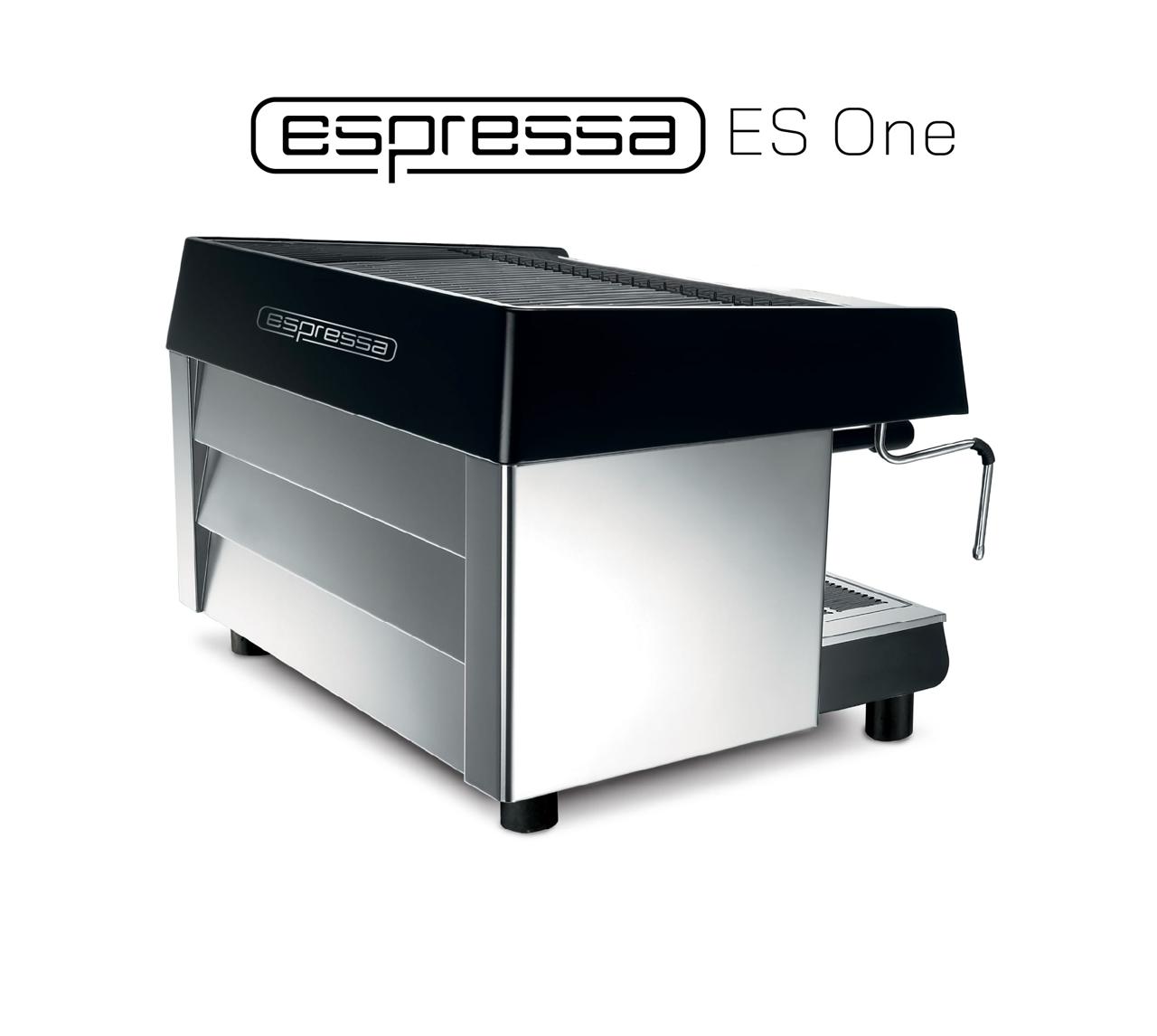
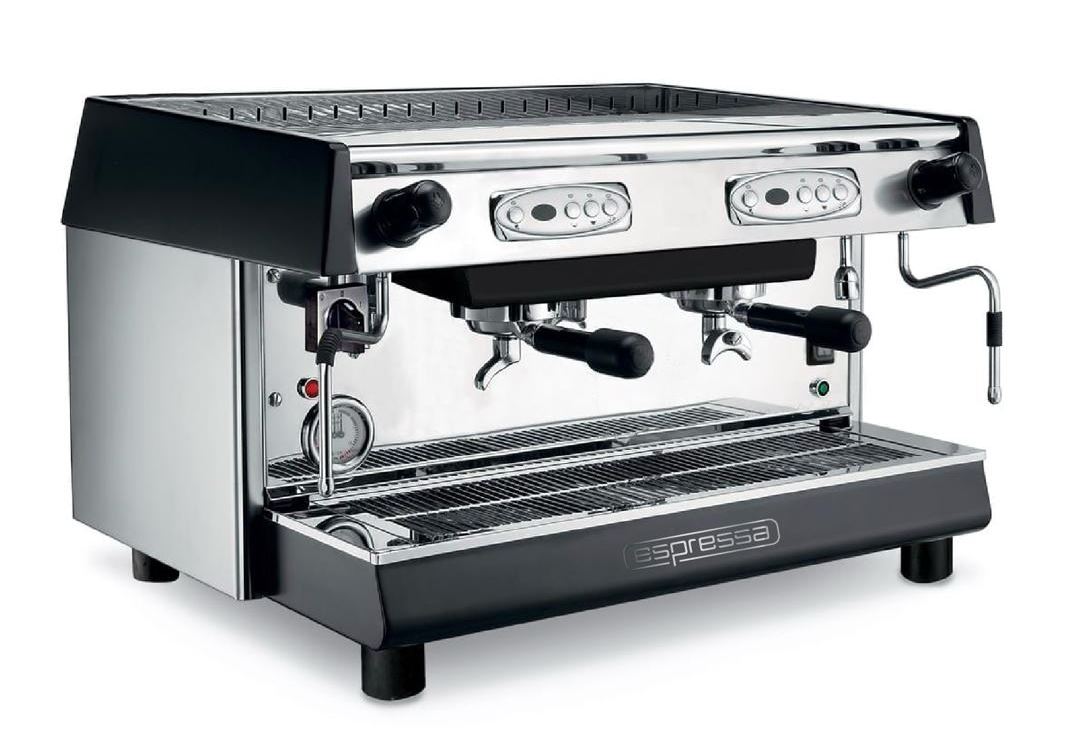
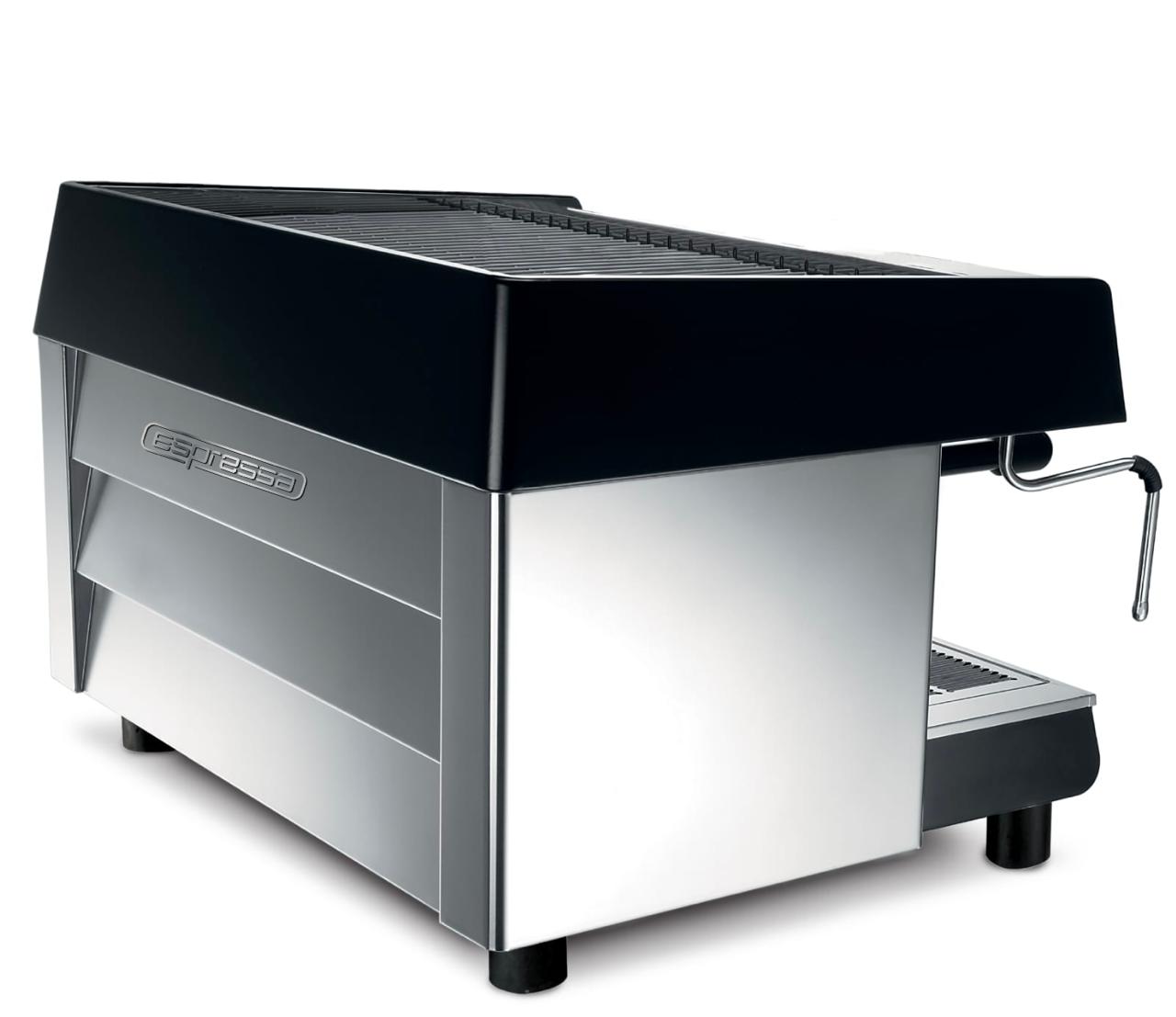
The Espressa ES.One 2-group is built specifically for this tier of Indian commercial use. Its thermomatic heating system maintains independent temperature stability across both groups, and multi-stage pre-infusion recipes can be stored per roast profile — critical for cafés running a rotating menu or guest roasts alongside a house blend.
Boiler Configuration: What Changes Across Group Counts
This is the part most buyers overlook entirely.

A dual boiler on a 2-group machine means both groups maintain precise brew temperature independently, regardless of how much steaming is happening on the wand. During a busy breakfast window in an Indian café where cappuccinos and lattes dominate the ticket queue, this is what prevents temperature drift from degrading shot quality mid-service.
When to Consider a 3-Group Machine
Crossing into 3-group territory is a genuine operational threshold — not a prestige decision.
Consider a 3-group when:
-
Peak-hour volume consistently exceeds 120 cups
-
You run two or more baristas simultaneously during service
-
Your menu includes complex multi-step drinks that require extended group occupation time
Avoid a 3-group if:
-
Your daily volume is under 150 cups — you will heat and maintain a machine that spends most of its day underused
-
Your electrical infrastructure cannot support the additional load — a 3-group commercial machine draws significantly more power, and voltage instability in many Indian commercial spaces makes this a real site-assessment requirement before purchase

The Mistake Most Café Owners Make
Buying a 1-group to save on the initial investment, then replacing it with a 2-group within 12 months after realising the volume ceiling. The total cost of that path — purchase, installation, and the operational disruption of a mid-operation upgrade — almost always exceeds what a correctly sized 2-group would have cost from the start.
Size to where your business is going in 18 months, not where it is on opening day.
At Coffee.Plus, every machine recommendation starts with your cup-per-day target, your peak-hour window, your menu structure, and your staff count — not a price bracket. Whether you are evaluating the Espressa Alpha H6 for a single-barista specialty bar or the ES.One 2-group for a full-service café, every machine we supply comes with professional installation guidance, calibration to your water and roast profile, and pan-India technician support. AMC and genuine spare parts coverage are available across our entire commercial range, so the machine you invest in is protected for its full working life — not just the first season.