






The Daily Espresso Machine Cleaning Routine That Extends Your Machine Life by 3+ Years: A Step-by-Step Guide for Indian Cafés (2026)
Skipping or rushing the daily cleaning routine on a commercial espresso machine is not a minor oversight — it is the single most common reason Indian cafés face expensive repairs in year two and three. Coffee oil buildup, scale deposits, and worn group seals are almost entirely preventable. This guide gives you the exact 15-minute end-of-day protocol and weekly deep clean schedule that keeps your machine performing like new — regardless of your city's water quality or your team's turnover rate.
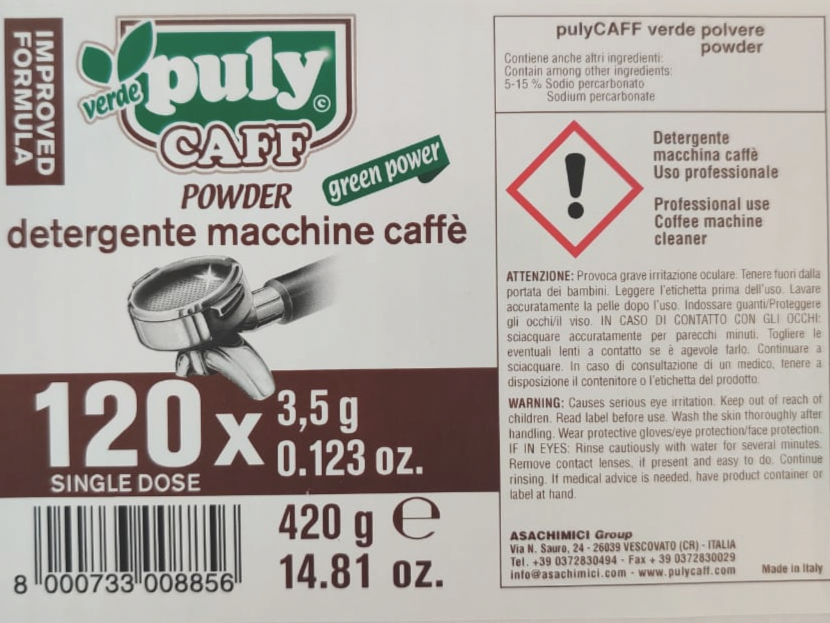
A Mumbai café owner called us after his 18-month-old commercial espresso machine started pulling inconsistent shots — extraction times jumping unpredictably between 22 and 38 seconds with no grind adjustment. The diagnosis was straightforward: severe coffee oil rancidity in the group head shower screen and dispersion block, combined with early-stage scale buildup in the boiler from untreated hard water. The machine had never been backflushed with a chemical cleaner. The team had been rinsing the portafilter under the tap, wiping the steam wand occasionally, and calling it done. The repair cost was significant. The preventive cost — a bottle of Puly Caff backflush powder and a monthly descaling cycle — would have been a fraction of that. This is not a rare story. It is the standard one for cafés where cleaning was never properly set up as a structured daily task.
Why Espresso Machine Cleaning Matters More in India Than Most Places

Before walking through the protocol, it helps to understand why Indian café conditions make a consistent cleaning routine more critical than in most markets.
Hard water is the primary machine killer. Water with high TDS (total dissolved solids) — common across Delhi, Rajasthan, Maharashtra, and much of Tamil Nadu — deposits limescale inside the boiler and heat exchanger at a significantly accelerated rate. Scale acts as an insulator on heating elements, forcing the boiler to work harder to reach temperature. Over months, this raises energy consumption, reduces temperature stability, and ultimately causes component failure. Machines like the Espressa Falcon and Izensso Raptor are built for commercial reliability, but no machine engineering survives chronically untreated hard water without a proper descaling schedule.
Coffee oil goes rancid within 24–48 hours at ambient temperature. India's warm climate — especially in summer months across tier 2 and tier 3 cities — accelerates this timeline. Rancid oil in the group head and portafilter basket does two things: it makes the espresso taste bitter and stale, and it slowly coats the rubber gaskets and shower screen with a residue that hardens over time and accelerates gasket wear.
Staff turnover compounds the risk. When the person who was trained on cleaning protocol leaves after three months, the incoming team member inherits a machine with no handover on cleaning procedure. Building a visual checklist into the bar setup — posted at the machine, not sitting in a manual — is the only way to ensure continuity across staff changes.
The 15-Minute End-of-Day Cleaning Protocol
Follow this sequence every single day after service, without exception.
Step 1: Backflush the Group Head with Puly Caff (7 Minutes)
Backflushing is the most important cleaning step for a commercial espresso machine. It forces cleaning solution backwards through the group head and solenoid valve, dislodging the coffee oil and fine particle buildup that accumulates inside the dispersion block and three-way valve with every shot pulled.
How to do it correctly:
-
Remove the portafilter basket and replace it with a blind basket (a solid-bottom basket with no holes)
-
Add half a teaspoon of Puly Caff powder to the blind basket — approximately 1–2g
-
Lock the portafilter into the group head
-
Run the pump in 10-second on / 10-second off cycles, repeating 5–6 times
-
You will see brown, oil-laden water purging from the machine's drain during the off cycles — this is exactly what should be leaving the machine
-
Remove the portafilter, rinse the blind basket thoroughly, and run one final backflush cycle with plain water to clear all chemical residue
-
Repeat for each group head
Why Puly Caff specifically: Puly Caff is NSF-certified — meaning it meets international food-safety standards for food-contact surface cleaners. It is fast-foaming, which means it reaches into the narrow internal passages of the group head that water alone cannot clean. Critically, it rinses completely clean with no aftertaste residue — which matters enormously because the next person's espresso runs through the same group head. Generic backflush powders that leave traces of chemical or flavour in the group affect cup quality in ways that are difficult to diagnose. Machines like the Izensso Raptor — with its T3 multi-boiler architecture and independent group control — have well-engineered internal pathways, but they still accumulate coffee oil daily. No machine bypasses the need for chemical backflushing.
Step 2: Clean the Shower Screen and Dispersion Block (2 Minutes)
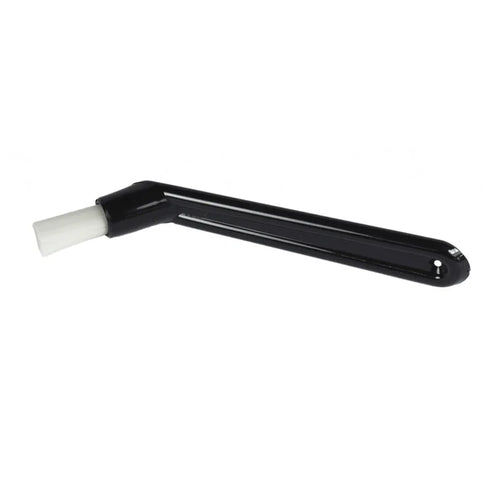
After backflushing, remove the shower screen — the small metal disc at the base of the group head that distributes water evenly over the coffee puck. Soak it in a small container of warm water with a pinch of Puly Caff powder for 2–3 minutes, then scrub lightly with a brush and rinse.
The dispersion block above the shower screen should be wiped with a clean, damp group head brush. Built-up residue on the dispersion block creates uneven water distribution — which produces channelling in the puck and uneven extraction. This step is skipped far more often than it should be.
Step 3: Purge and Soak the Steam Wand (2 Minutes)
Immediately after every milk steaming session during the day, the steam wand should be purged — a 2-second burst of steam to push any milk residue off the tip — and then wiped with a damp cloth. This is a during-service habit, not just an end-of-day task.
At end of day, the steam wand tip and the lower section of the wand should be soaked in a small cup of warm water for 3–5 minutes to dissolve any dried milk deposits. Wipe clean afterward. If the steam tip is blocked — which happens when soaking is skipped for several consecutive days — it must be removed, soaked in Puly Caff solution, and unblocked with a fine pin. A partially blocked steam tip produces uneven steam pressure, which affects milk texture and also forces the boiler's steam system to work under unnecessary back-pressure.
Step 4: Wipe the Group Head Gasket (1 Minute)
The rubber gasket at the lip of each group head — the seal that the portafilter locks against — hardens and cracks from heat cycling and coffee oil exposure. Wiping it daily with a damp cloth removes the oil and fine coffee particles that accelerate hardening. On machines like the Espressa ES.One running 60+ cups per day, gasket replacement is typically needed every 6–8 months. On a bar that skips this daily wipe, that interval often shortens to 3–4 months — a minor cost item individually, but one that signals the broader neglect pattern that leads to larger failures.
Step 5: Empty, Wash, and Dry the Drip Tray (2 Minutes)
The drip tray collects espresso, milk, and rinse water throughout the day. Left overnight without cleaning, it becomes a bacterial growth surface. Remove it, empty and rinse it, then wipe it dry before replacing. In Indian summer conditions — where ambient temperatures in many cities exceed 35°C — a drip tray left with moisture overnight is a hygiene issue, not just a cleaning one.
Step 6: Sweep the Grinder Burrs and Purge the Chute (1 Minute)
At end of day, run a small amount of rice or a commercial grinder cleaning tablet through the grinder to purge stale coffee particles from the burr chamber and grinding chute. Coffee retained in the chamber overnight goes stale and contributes an off-note to the first shots of the following morning. This step matters whether your grinder is a Eureka Mignon Specialita on a light-volume specialty bar or a commercial Ceado E7 running high daily output — both accumulate residual grounds in the chute that affect first-shot quality the next day.

The Weekly Deep Clean: What the Daily Routine Cannot Do Alone
The daily protocol handles surface buildup. The weekly deep clean addresses the accumulation that settles deeper over seven days of service.
The boiler descale cycle is the most frequently missed item on this table, particularly in tier 2 and tier 3 cities where TDS levels can be very high. Machines like the Espressa Falcon — with a thermomatic heating system designed for sustained thermal precision — will hold temperature stability far longer with a regular descale schedule than without one. Scale buildup on the heating element does not just reduce machine lifespan; it causes brew temperature instability that shows up as unexplained extraction inconsistency before any visible failure occurs.
Mistakes to Avoid: The Three Cleaning Habits That Cause Expensive Repairs
Mistake 1: Using dish soap or general-purpose cleaners for backflushing. General detergents leave flavour-active residues inside the group head that contaminate espresso for several service sessions after cleaning. They can also degrade internal rubber components over time. Puly Caff is formulated specifically for espresso machine internals — the chemistry is correct for the environment and rinses completely clean.
Mistake 2: Descaling with generic citric acid solutions at incorrect concentrations. Hard water descaling in Indian conditions requires the right concentration and correct contact time. Too weak, and scale remains. Too strong or left too long, it can damage boiler seals and internal metal components. Always use a manufacturer-recommended descaler — or the Puly Caff descaling product — at the stated concentration. The Izensso Raptor's rotary pump and multi-boiler system are robust, but they are not immune to chemical damage from incorrect descaling agents.
Mistake 3: Training one person on the cleaning protocol and no one else. When that person leaves — and in Indian café operations, turnover is a real and frequent variable — the cleaning routine goes with them. Print the daily checklist. Post it at the machine. Every staff member who touches the espresso station should be able to complete the end-of-day routine without asking.
At Coffee.Plus, every espresso machine we supply — whether an Espressa commercial machine or an Izensso Raptor — comes with detailed installation guidance and barista training that includes the correct cleaning protocol for that specific machine's group head and boiler architecture. We supply Puly Caff cleaning products alongside every machine, because a correct cleaning setup from day one is what separates a machine that runs well for six years from one that needs a major repair in year two. Our pan-India service network means that when a scheduled preventive maintenance visit is due — or when a cleaning-related issue does develop — a trained technician with genuine spare parts is accessible wherever your café operates. If you want to see the full maintenance workflow demonstrated on the actual machine before you buy, our Experience Centre in Delhi at 14 Regency, Asola is exactly the right place to do that. The machines run daily there — and so does the cleaning routine.