


![[PRE ORDER] MHW-3BOMBER Cube Coffee Scale 3.0 Mini Pro](http://coffeeplus.in/cdn/shop/files/MHW-3BOMBERCubeCoffeeScale2.0MiniCoffeePlus5.webp?v=1768422727&width=500)
![[PRE ORDER] TIMEMORE Black Mirror Basic 3.0](http://coffeeplus.in/cdn/shop/files/TIMEMOREBlackMirrorBasic3.0_1.webp?v=1769444750&width=500)


![[PRE ORDER] MHW-3BOMBER Cube Coffee Scale 3.0 Pro](http://coffeeplus.in/cdn/shop/files/MHW-3BOMBERCubeCoffeeScale3.0Pro2.webp?v=1777319705&width=500)


![[PRE ORDER] Espressa Orbit 64 PRO | MOKKOM Grinder](http://coffeeplus.in/cdn/shop/files/Espressa_Orbit_Pro_2.webp?v=1779828190&width=500)


![[PRE ORDER] MHW-3BOMBER X-Press58](http://coffeeplus.in/cdn/shop/files/X-press58.webp?v=1763141665&width=500)


![[PRE ORDER] MHW-3BOMBER Cyclone Needle Distribution Tool 58mm](http://coffeeplus.in/cdn/shop/files/CycloneNeedleDistributor.webp?v=1762881161&width=500)




What Second-Hand Commercial Espresso Equipment Actually Costs You: A Real TCO Guide for Indian Café Startups (2026)
A used commercial espresso machine listed at half the price of a new one is one of the most seductive numbers in café startup planning — and one of the most misleading. The purchase price is visible. The refurbishment cost, the spare parts waiting time, the absent warranty, and the first major breakdown are not. This guide gives Indian café operators the complete financial picture before the used equipment decision is made.
A café startup in Lucknow bought a used 2-group commercial espresso machine from an OLX listing for ₹80,000 — roughly 40% of the price of a new equivalent. Within three months, the left group head solenoid failed. The technician who inspected it also found a boiler element running close to the end of its life and a worn pump that was producing inconsistent pressure. The full repair and refurbishment came to ₹38,000. The part for the solenoid had to be sourced from Delhi. The café ran on one group for 11 days during the peak of its first-quarter ramp-up. The total spent on equipment by month four: ₹1,18,000 — more than the price of a new entry-level commercial machine with warranty, installation, and a year of service support.
The used machine had not been a saving. It had been a delayed payment with interest.
The True Components of Second-Hand Espresso Machine Cost
The sticker price on a used commercial espresso machine is not the cost of ownership. It is the entry cost — the number that makes the decision feel financially sound before the real costs emerge. Understanding the actual total cost of ownership (TCO) requires accounting for every cost category that the listing price does not include.
Refurbishment and inspection: A commercial espresso machine that has been in café service for 2–4 years will have worn components. Group head gaskets and shower screens degrade with use. The OPV (over-pressure valve) may be set incorrectly. The pump may be running outside its optimal pressure range. Solenoid valves may have partial blockages from scale. A proper pre-purchase inspection from a qualified technician costs ₹2,000–₹5,000. Full refurbishment — gaskets, seals, descaling, pump check, group cleaning — typically costs ₹8,000–₹18,000 depending on machine size and condition. This cost exists before you pull the first commercial shot.
Spare parts availability: This is the most underestimated cost in used equipment decisions — not in money terms, but in time and operational terms. An imported machine that was sold in India by a distributor who is no longer active, or whose parts are not stocked locally, means a component failure translates to a 2–4 week downtime while parts are sourced. For a café running a commercial espresso machine for a small café in India at 60–80 cups per day, 14 days of one-group operation or full machine downtime at peak early trading is a reputation and revenue event that the purchase price saving cannot offset.
No warranty baseline: A new commercial espresso machine comes with manufacturer warranty — typically 1–2 years covering parts and labour. A used machine comes with none unless the seller provides a written refurbished warranty, which is rare in the Indian secondary market. Every failure after purchase is a full-cost event: parts, labour, and downtime.
Energy efficiency gap: Older commercial machines — especially those 4–6 years old — predate the energy efficiency improvements that current generation equipment includes. An older 2-group machine running 10–12 hours daily may consume 15–20% more electricity than a current equivalent. At Indian commercial electricity rates across a full operating year, this difference adds ₹8,000–₹15,000 to annual operating costs invisibly.
Depreciation Curves: What Used Commercial Machines Are Actually Worth
Commercial espresso machines depreciate differently based on brand, architecture, and the quality of the maintenance history they carry. Understanding the depreciation curve helps buyers assess whether the asking price on a used listing reflects realistic value or optimistic seller pricing.
Entry commercial machines (single boiler, thermosyphon): These machines depreciate sharply after year two of café service. A machine that cost ₹1,50,000 new is realistically worth ₹55,000–₹75,000 after two years of daily commercial use in moderate-to-good condition. After three years without documented service history, realistic value drops to ₹35,000–₹50,000. Most used listings in India price above this range because sellers anchor to original purchase price rather than condition and remaining useful life.
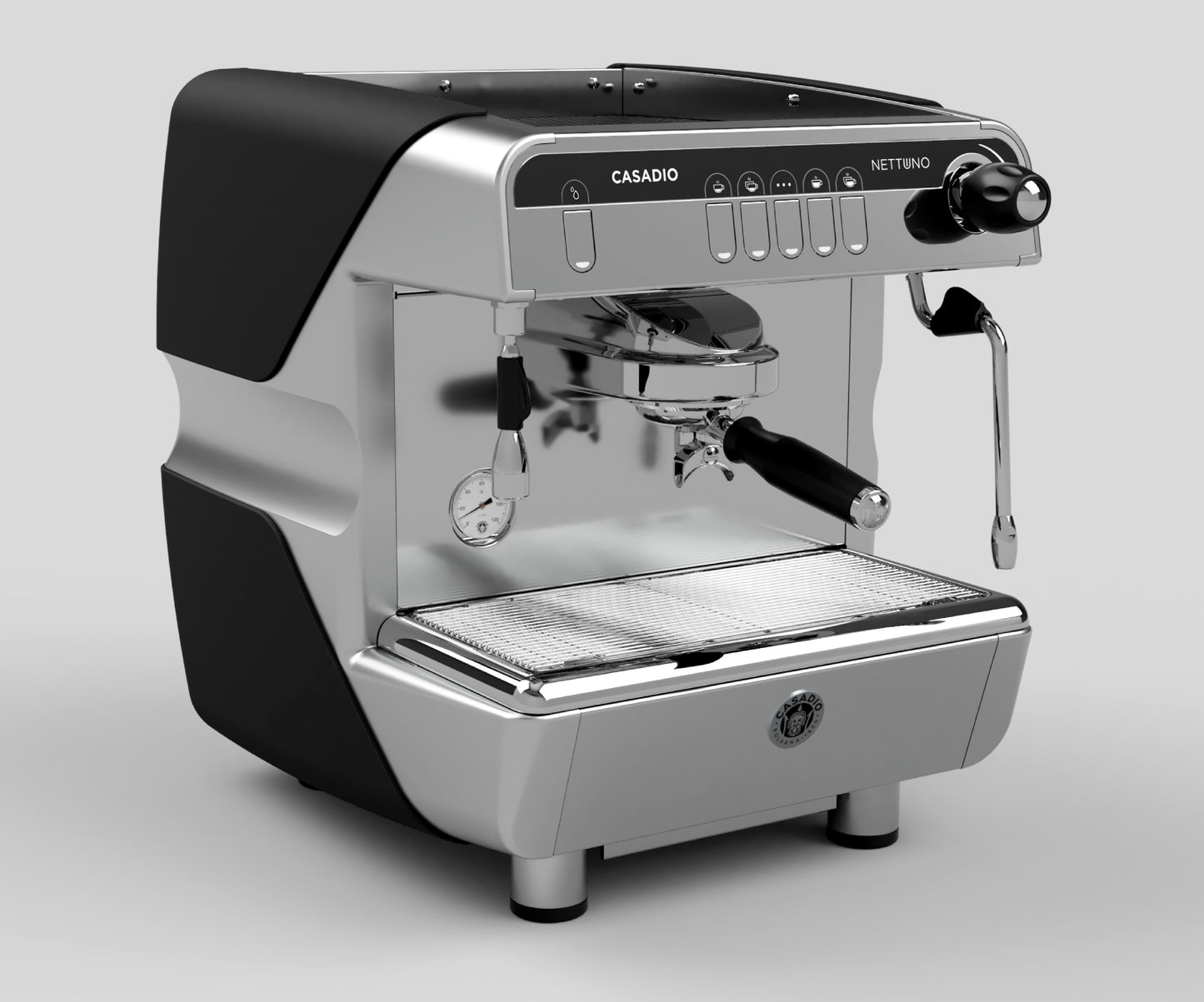
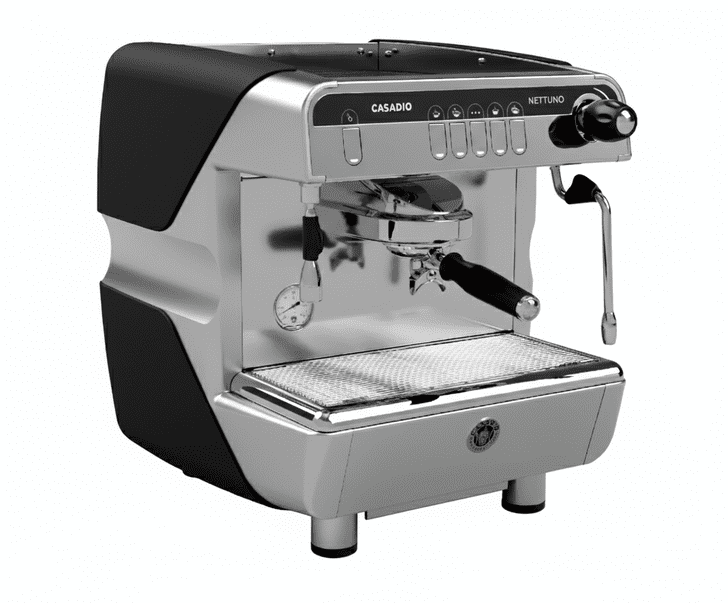
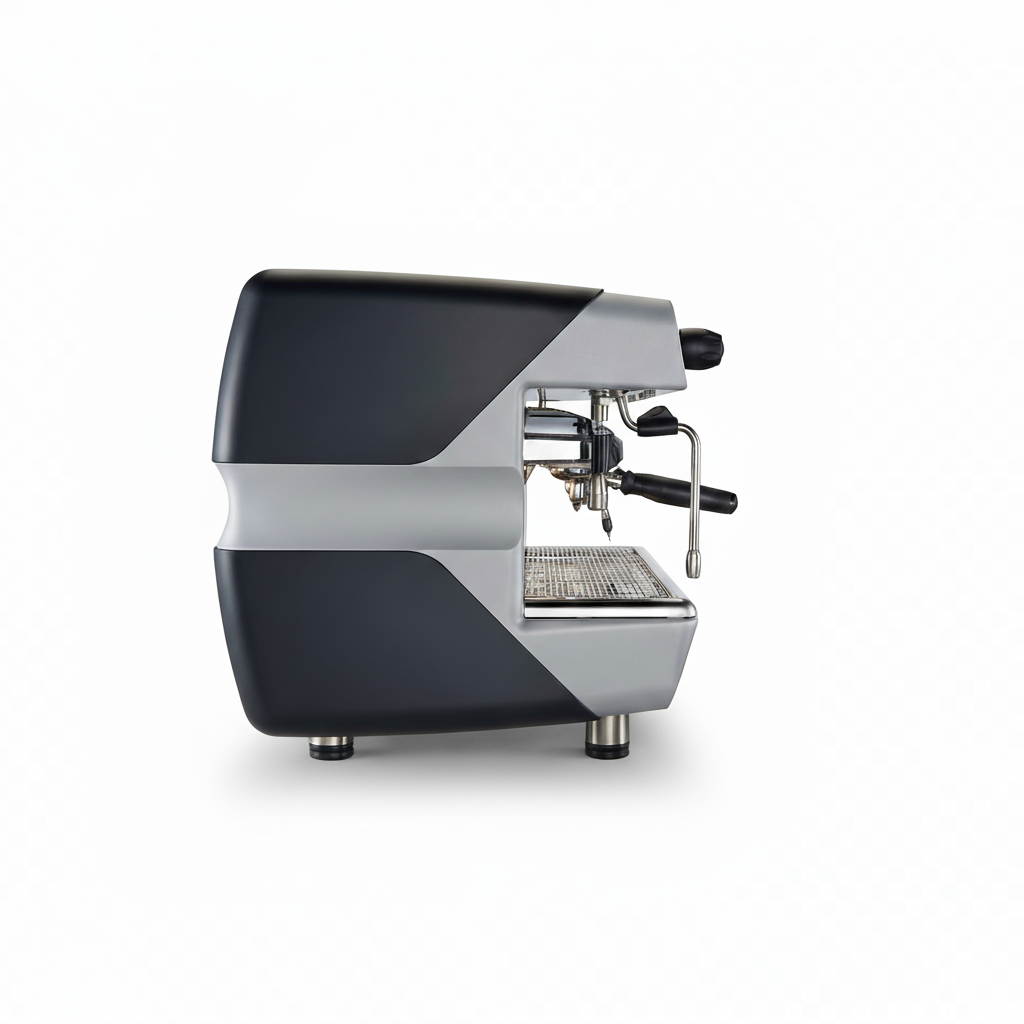
Mid-commercial multi-boiler machines: Higher-quality machines like the Casadio Nettuno or entry Izensso configurations hold value better — primarily because their architecture is more repairable and the original build quality means components last longer. A well-maintained mid-commercial machine two years old retains 55–65% of its new value. After three years with a documented service record, 40–50% is a reasonable expectation. Without documentation, assume 30–35% and factor full refurbishment into the budget.
Premium commercial machines: Premium machines from established commercial lines depreciate more slowly in percentage terms but carry higher absolute costs for repairs and parts when they do fail. A 4-year-old premium 2-group from a brand with limited Indian service presence may price attractively in the secondary market but be practically unsupported once a complex component needs replacement.
The TCO Calculation: Used vs New, Laid Out Honestly
The break-even analysis between a used machine and new equipment needs to include all costs over the first 24 months of operation — the period where the difference between the two decisions is most financially significant.
The ranges overlap significantly — which is the honest answer. A used machine in genuinely good condition from a seller with a full service history can come close to matching the 24-month cost of a new entry commercial machine. A used machine with unknown history from an anonymous listing will consistently exceed the new machine's total cost within 18 months
The variable that does not appear in this table but belongs in every operator's calculation is the revenue and reputation cost of downtime. A new commercial espresso machine for a small café in India backed by pan-India service support has a fundamentally different downtime risk profile from a used machine with no service network behind it. One unexpected 2-week breakdown during your café's peak opening period — the first 90 days when customer habits are forming — can cost more in lost goodwill than the entire price differential between used and new.
When Certified Refurbished Makes Sense
Not all second-hand equipment is equal. There is a meaningful difference between an anonymous used machine from a marketplace listing and a certified refurbished machine from a qualified service provider.
A certified refurbished commercial espresso machine should include:
-
Full inspection report with documented component condition
-
Replaced wear items: gaskets, shower screens, group seals, pump service
-
Pressure calibration and PID verification post-refurbishment
-
A minimum 3–6 month limited warranty on parts replaced during refurbishment
-
Confirmed spare parts availability for that specific machine model
This standard of refurbishment raises the acquisition cost — a properly certified refurbished 2-group machine will be priced at 55–70% of new, not 35–40% — but it significantly changes the risk profile. The first year of operation on a properly certified machine resembles new equipment performance more than used equipment risk.
At Coffee.Plus, when we assess whether a client's scenario warrants a certified refurbished path versus new equipment, the questions we ask are: What is your daily volume? Do you have a backup plan if the machine is down for 7–10 days? What is your budget tolerance for an unplanned ₹25,000–₹40,000 repair in year one? If the answers suggest low downtime tolerance and high opening-period stakes, new equipment with a full warranty is almost always the financially rational choice when total 24-month cost is correctly calculated.
Choosing a Commercial Espresso Machine in India: New Entry Points Worth Knowing
For café operators who have done the TCO analysis and concluded that new equipment is the right path — which it frequently is once the full cost picture is laid out — the entry price points for new commercial equipment in India in 2026 are more accessible than many first-time buyers assume.
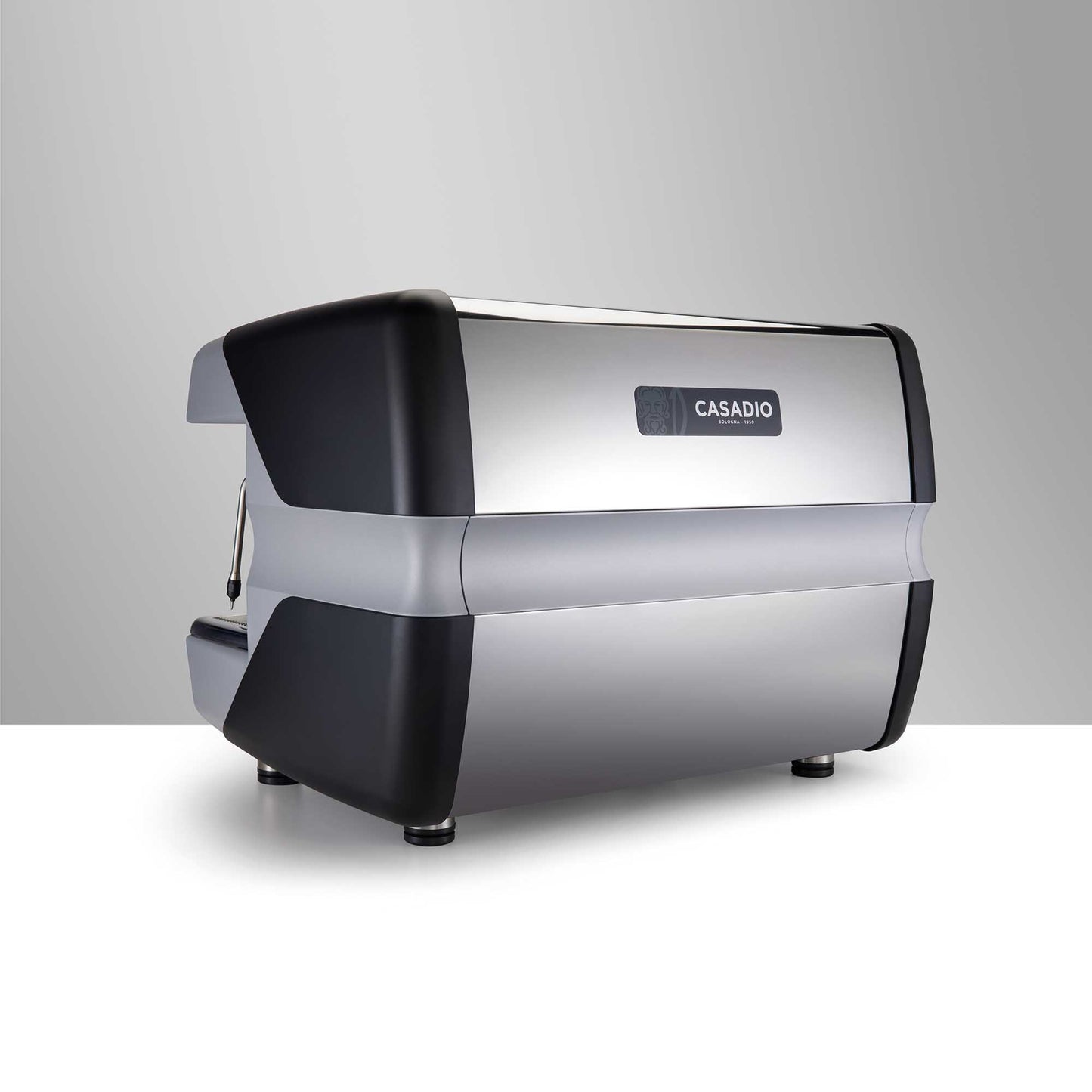
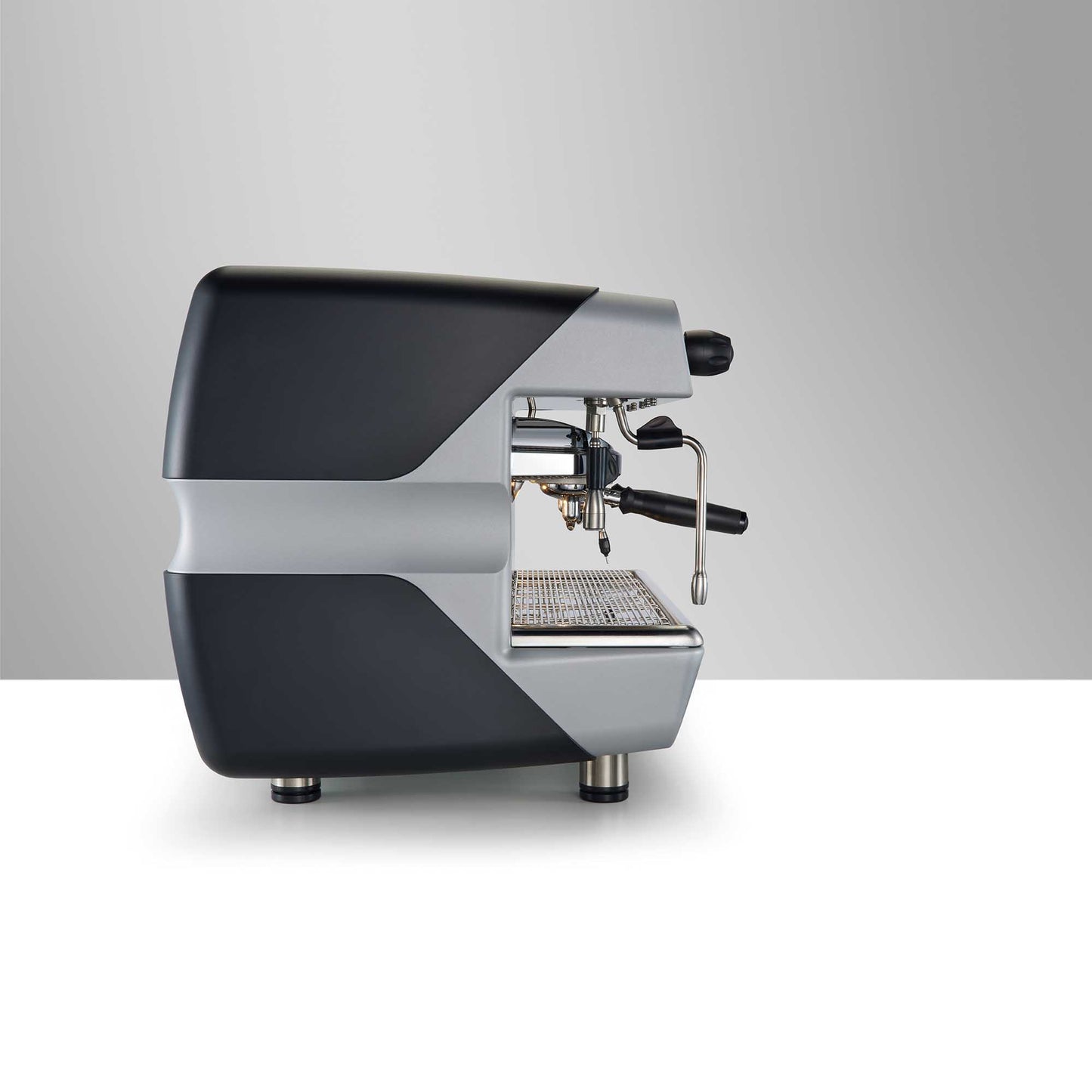
The Espressa Base enters the commercial range at a price point calibrated for first-café operators who need genuine commercial durability without the capital requirement of a multi-boiler setup. The Casadio Nettuno — a compact Italian 2-group thermosyphon machine — provides professional 2-group capability at an entry commercial espresso machine price for café in India that competes credibly with used machine asking prices once refurbishment costs are factored in. The Espressa Base Multiboiler, for cafés where a milk-heavy menu makes dedicated steam and brew boilers operationally important from day one, brings that architecture into a budget that realistic café startup planning can accommodate.
All of these options come with manufacturer warranty, professional installation and training in India, and access to pan-India technician support through Coffee.Plus — none of which are available with a marketplace used machine purchase at any price.
Mistakes to Avoid: The Used Equipment Calculation That Always Goes Wrong
Mistake: Calculating the used vs new decision based on purchase price alone, without factoring refurbishment, downtime, and service network into the 24-month cost model.
This is the single most consistent financial error in Indian café startup planning. The purchase price comparison feels definitive — ₹80,000 versus ₹2,00,000 looks like an obvious saving. The 24-month cost comparison rarely looks the same way. Operators who run the full TCO calculation before the decision almost always arrive at a different conclusion than those who run only the purchase price comparison.
The discipline to ask "what does this machine cost me over 24 months, not 24 hours" is what separates café operators who manage their equipment costs effectively from those who encounter the same avoidable repair events year after year.
At Coffee.Plus, we are happy to run this TCO comparison with any operator who is weighing used equipment against new. Whether the right answer is the Espressa Base, the Casadio Nettuno, the Izensso Raptor for a dual boiler espresso machine for a café in India at mid-commercial volume, or a certified refurbished path for a specific budget constraint — the recommendation is always built on the honest total cost picture, not the headline price. Every new machine we supply comes with espresso machine installation and training in India, AMC options for year two and beyond, genuine spare parts stocked locally, and pan-India technician response when service is needed. If you want to see the machines and understand what the new equipment investment actually looks like in person, our Experience Centre in Delhi at 14 Regency, Asola is the right place to make that evaluation before committing either way.