


![[PRE ORDER] MHW-3BOMBER Cube Coffee Scale 3.0 Mini Pro](http://coffeeplus.in/cdn/shop/files/MHW-3BOMBERCubeCoffeeScale2.0MiniCoffeePlus5.webp?v=1768422727&width=500)

![[PRE ORDER] TIMEMORE Black Mirror Basic 3.0](http://coffeeplus.in/cdn/shop/files/TIMEMOREBlackMirrorBasic3.0_1.webp?v=1769444750&width=500)


![[PRE ORDER] MHW-3BOMBER Cube Coffee Scale 3.0 Pro](http://coffeeplus.in/cdn/shop/files/MHW-3BOMBERCubeCoffeeScale3.0Pro2.webp?v=1777319705&width=500)


![[PRE ORDER] Espressa Orbit 64 PRO | MOKKOM Grinder](http://coffeeplus.in/cdn/shop/files/Espressa_Orbit_Pro_2.webp?v=1779828190&width=500)


![[PRE ORDER] MHW-3BOMBER X-Press58](http://coffeeplus.in/cdn/shop/files/X-press58.webp?v=1763141665&width=500)


![[PRE ORDER] MHW-3BOMBER Cyclone Needle Distribution Tool 58mm](http://coffeeplus.in/cdn/shop/files/CycloneNeedleDistributor.webp?v=1762881161&width=500)




2026 Espresso Bar Equipment Trends Indian Cafés Are Actually Adopting
The biggest equipment shift in Indian cafés this year is not one dramatic invention — it is a practical move toward gear that reduces training time, improves consistency, and survives Indian service conditions. Operators are adopting single-dose grinders, compact dual boilers, and better milk systems because they solve real day-to-day problems, not because they look new on a spec sheet.
A café owner in Bengaluru recently summed up the trend perfectly: “We stopped buying for the brochure and started buying for the rush.” That sentence explains most of the gear changes happening across Indian espresso bars in 2026. With café volumes rising, staff turnover staying high, and customers becoming more quality-aware, the equipment that actually gets adopted is the equipment that makes the bar easier to run on a busy Saturday, not the equipment that sounds impressive in a sales demo.
Why The Market Is Changing
Indian cafés are moving away from complexity for its own sake. The trend is not toward more buttons and more features — it is toward equipment that makes the bar faster to train, faster to clean, and more stable when the room is hot, the water is hard, and the team changes every few months. That is why compact commercial espresso machine setups, streamlined grinder workflows, and better milk systems are showing up more often on café counters in Delhi, Bengaluru, Pune, and tier 2 cities.
The underlying business logic is simple. A café that can reduce shot variation, shorten onboarding, and avoid service interruptions is more profitable than one with flashy equipment that takes three months to master. This is also why buyers searching for an espresso machine price for cafe in India are asking a different second question now: “Will my team actually run this well every day?”
Single-Dose Grinders Are Moving Into Commercial Bars
Single-dose grinders are no longer just for home enthusiasts and specialty nerds. In 2026, they are appearing in Indian cafés where the menu changes often, bean quality matters, and roasters want less stale retention between shifts. The main reason is control. A single-dose workflow reduces bean waste, improves changeover speed, and makes a grinder easier to dial in when the café is running multiple coffees or limited microlots.
For commercial buyers, the biggest benefit is consistency when staff changes. A single-dose grinder with low retention forces better measuring habits and makes the dose more repeatable. It also helps cafés that rotate between a house blend and a seasonal lot without leaving beans sitting in a hopper all day. That is especially useful for a best espresso machine for 50 seat cafe India type setup where the team needs quick training and the menu may shift by season.
Coffee.Plus sees this trend reflected in the grinders operators are asking about more often. The Ceado REV Zero WAM, available with Coffee.Plus pan-India technician support, is one example of a grinder architecture that aligns with this shift because it prioritizes precision and low retention for high-quality output. For cafés that still need higher throughput, the Ceado REV Steel, also available with Coffee.Plus pan-India technician support, gives commercial output with stable grind temperature management and weight-based consistency.
Compact Dual Boilers Are Replacing Oversized Machines
A major 2026 trend is the rise of compact dual boiler espresso machine choices for cafés that want better thermal control without overspending on footprint or unnecessary group count. Many Indian operators are realising they do not need a giant machine to make better espresso — they need a machine that can steam and brew without compromise and fit into a tighter bar layout.
A compact dual boiler setup is particularly attractive for cafés that serve a balanced menu of espresso and milk drinks. It gives the barista steam capacity and brew stability at the same time, which reduces wait time during busy windows. For a commercial espresso machine for small cafe in India, this is often the sweet spot: enough control to look and taste premium, but not so much machine that maintenance becomes a burden.
This trend is especially visible in spaces where the equipment must serve as both a production tool and a training tool. The Espressa Falcon, available with Coffee.Plus pan-India technician support, is a good example of a machine that fits this trend because its thermomatic architecture and programmable workflow support a café that wants consistency without overcomplicating the bar. For buyers comparing a dual boiler espresso machine for cafe India options, compact and serviceable is now beating oversized and hard-to-train in many cases.
Better Milk Systems Are Going Mainstream
Milk handling has become a bigger buying factor than it used to be. That is because cafés are learning that milk drinks are not just a volume category — they are a staffing and workflow category. Better steam power, faster recovery, and more predictable milk texture are now being treated as core commercial features rather than luxury extras.
Operators are increasingly asking for steam systems that can keep pace during back-to-back orders without collapsing foam quality or forcing a pause between drinks. This matters because India’s café menus are still milk-heavy, especially in urban and suburban markets. A machine with stronger steam recovery can shave seconds off every cappuccino and reduce the frustration baristas feel when the bar is backed up.
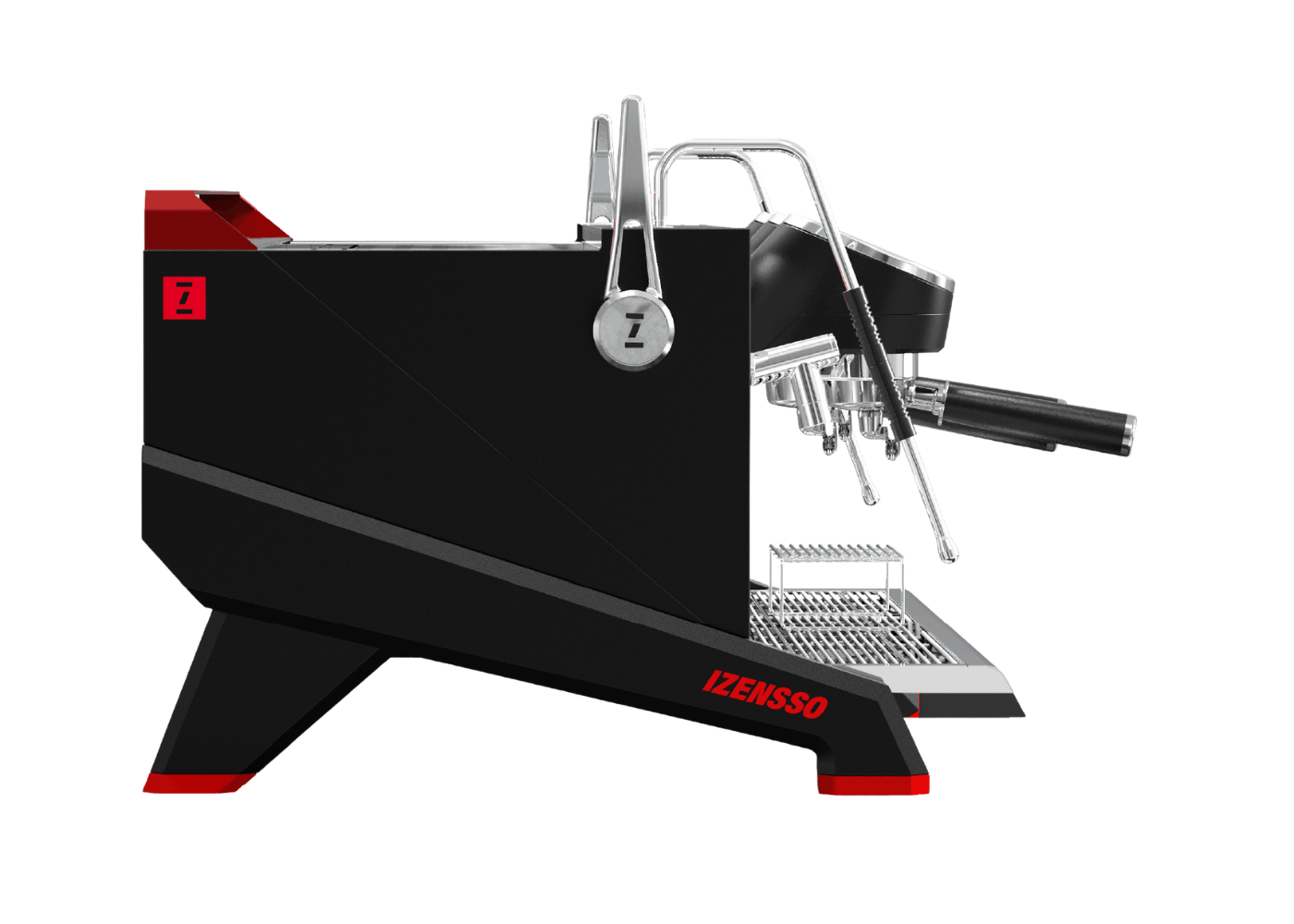
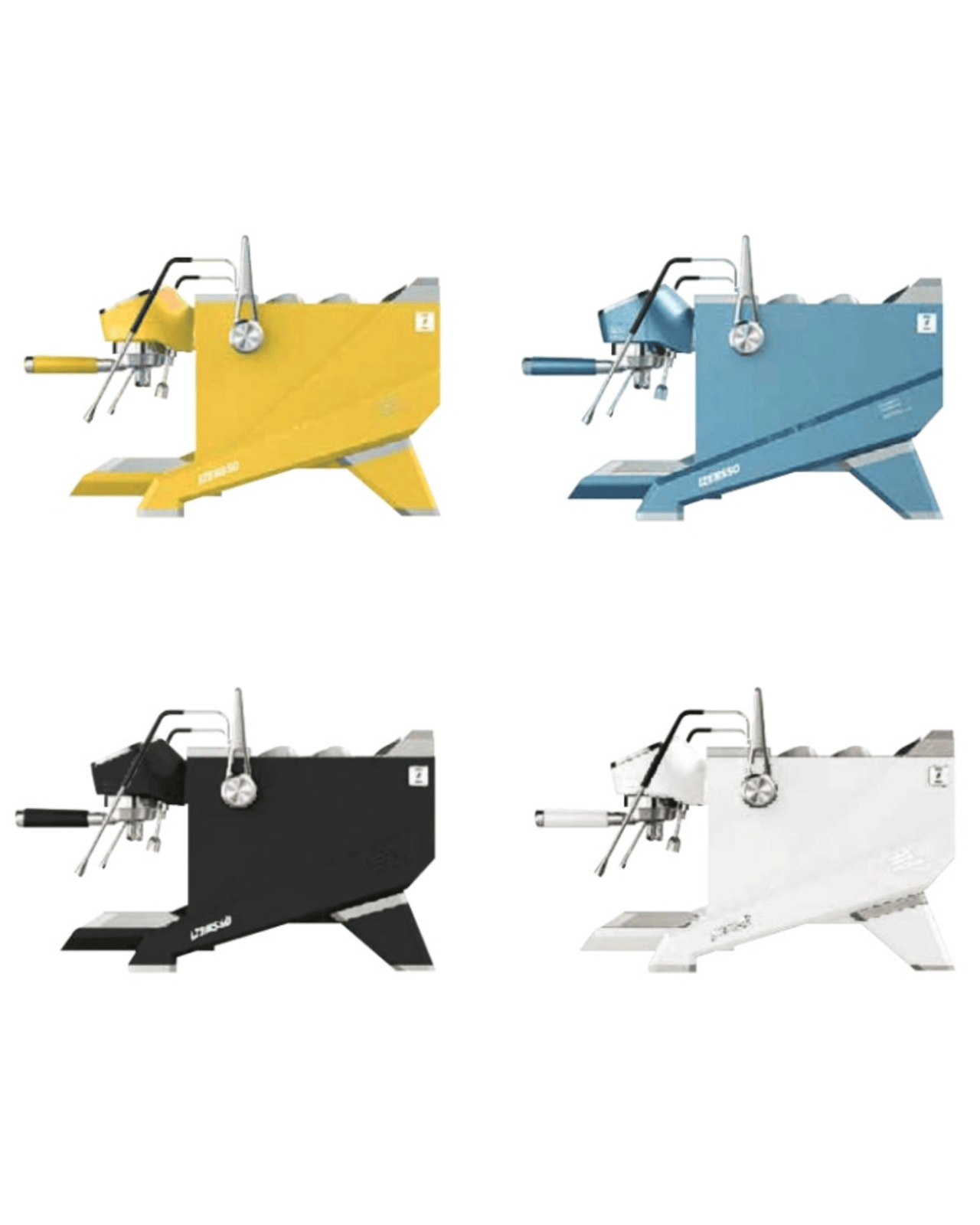
This is one of the reasons more cafés are looking at Izzenso machines, available with Coffee.Plus pan-India technician support, for high-output commercial use. Better milk systems matter not just for texture but for service rhythm. When steaming is reliable, your team can work more confidently during the rush, which is exactly what a best espresso machine for 50 seat cafe India buyer is usually trying to solve.
Workflow Simplicity Is Outranking Feature Bloat
One of the clearest trends in 2026 is that café owners are choosing equipment that takes less mental effort to run. That includes simpler button logic, cleaner bar layouts, and machines that are easier to teach to new staff. It also includes grinders that hold settings well, machines that warm up predictably, and parts that can be serviced quickly.
This is the practical side of the TOFU comparison most buyers begin with. They may ask whether a thermoblock, heat exchanger, or dual boiler is better, but the real purchase decision is often about workflow friction. If the machine needs constant interpretation, it slows the whole bar down. If the grinder drifts through the day, the barista spends time correcting instead of serving.
That is why even when cafés are searching for commercial coffee equipment for hotels & offices, they increasingly want the same thing independent cafés want: stable output, easier onboarding, and lower service surprises. A machine like the Espressa ES.One, available with Coffee.Plus pan-India technician support, fits into that logic because it gives a usable commercial footprint without forcing the operator into unnecessary complexity.
What Trend Is Worth Your Money
Mistakes to Avoid
Mistake: Buying the trendiest equipment instead of the most serviceable equipment.
A lot of café buyers see what the big specialty bars are using and assume the same setup will work in their café. But a machine or grinder that looks advanced can become a liability if it is hard to maintain, hard to train on, or unsupported in your city. In India, the best equipment is not the one with the most features — it is the one that keeps working when the team is new, the water is bad, and the café is full.
That is why Coffee.Plus pushes a service-first approach across the Espressa range, Ceado grinders, and Izzenso commercial systems. Coffee.Plus pan-India technician support, installation and training India, AMC coverage, and genuine spare parts are not side benefits. They are what turn a trend into a reliable business decision.
At Coffee.Plus, we help buyers separate what is fashionable from what is actually useful for Indian cafés. Whether you are comparing a commercial espresso machine for a small cafe in India, choosing a dual boiler espresso machine for cafe India, or deciding if a single-dose grinder belongs on your counter, the right answer depends on your volume, staff skill, and service expectations. Our Experience Centre in Delhi at 14 Regency, Asola lets you test how these trends actually behave in a real bar setting before you spend. That is the easiest way to see which 2026 trend is truly worth your money.