





The World Barista Championship 2026 runs October 22 to 25 in Panama City, and the free livestream is worth watching with a notebook rather than as a spectator. Each competitor gets 15 minutes to serve four espressos, four milk drinks and four signature drinks, which makes the stage a compressed lesson in bar workflow. This guide covers the schedule, what changed in the rules, and which parts of barista competition workflow you can carry back to your own café.
How to Watch World Barista Championship 2026 Online
The World Barista Championship 2026 is the 26th edition and the first held in Central America, at the Panama Convention Center. It is the headline event of the first World of Coffee in Latin America. The World Coffee Championships lists more than 50 national champions competing, with free streaming on its website and YouTube channel, no registration needed. Follow #PanamaWBC for live commentary.
The official schedule files show four days:
- Day 1 and Day 2: Round 1 performances. The Day 2 file also mentions the semi-finals announcement.
- Day 3: Semi-finals.
- Day 4: Finals and awards.
Panama is 10.5 hours behind India, so many sessions will fall late evening or overnight in IST. Check the official Overview Schedule and Competitor Schedule PDFs on the WCC site for exact slots, and plan to catch replays on YouTube.
What Is New in WBC Panama 2026?
Three rule updates matter for viewers. The updated rules change the water served to judges and clarify how many espresso shots competitors prepare for the signature beverage. They also let competitors skip serving spoons, which overrides the standard drink evaluation protocol for the espresso and milk courses.
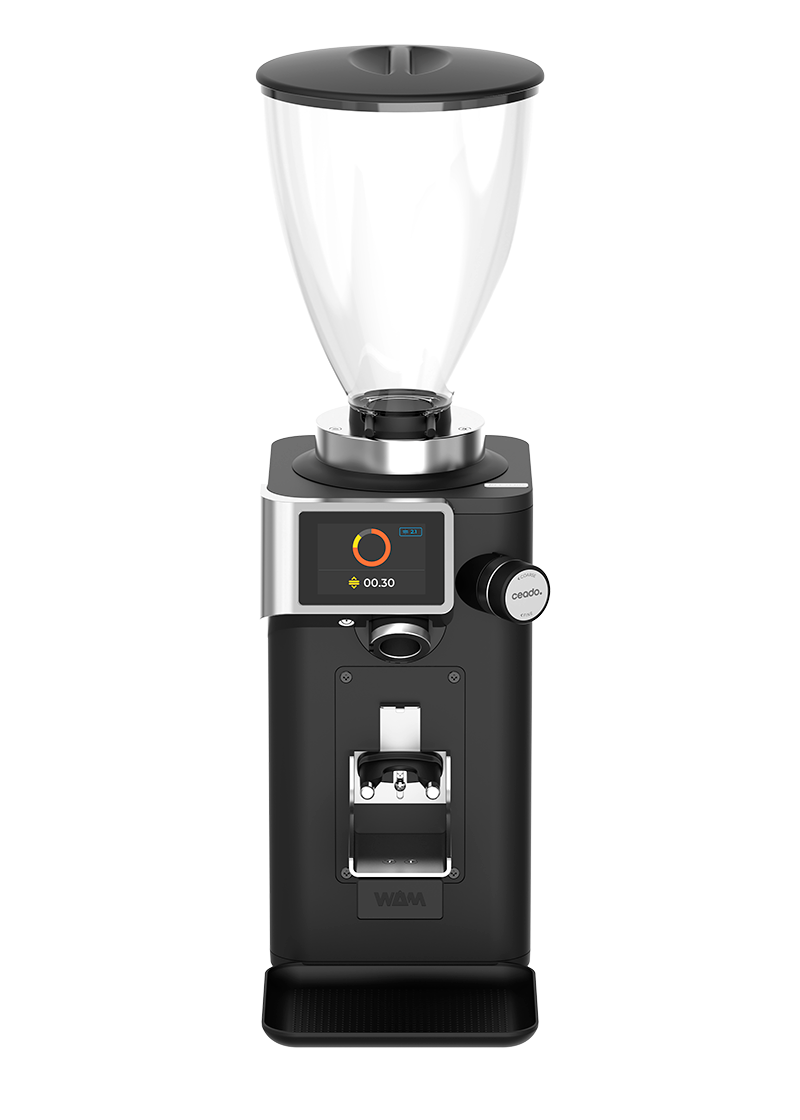
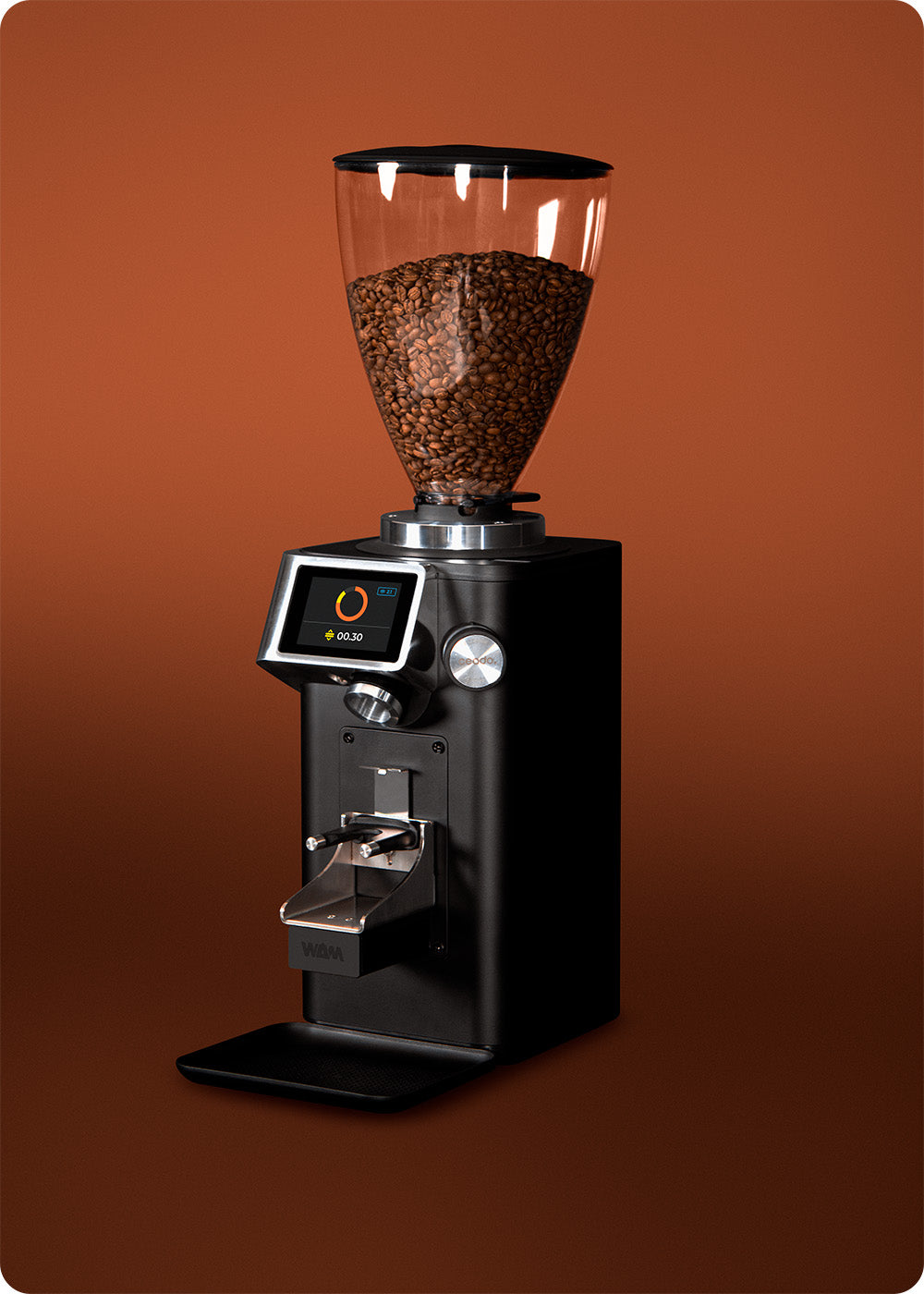
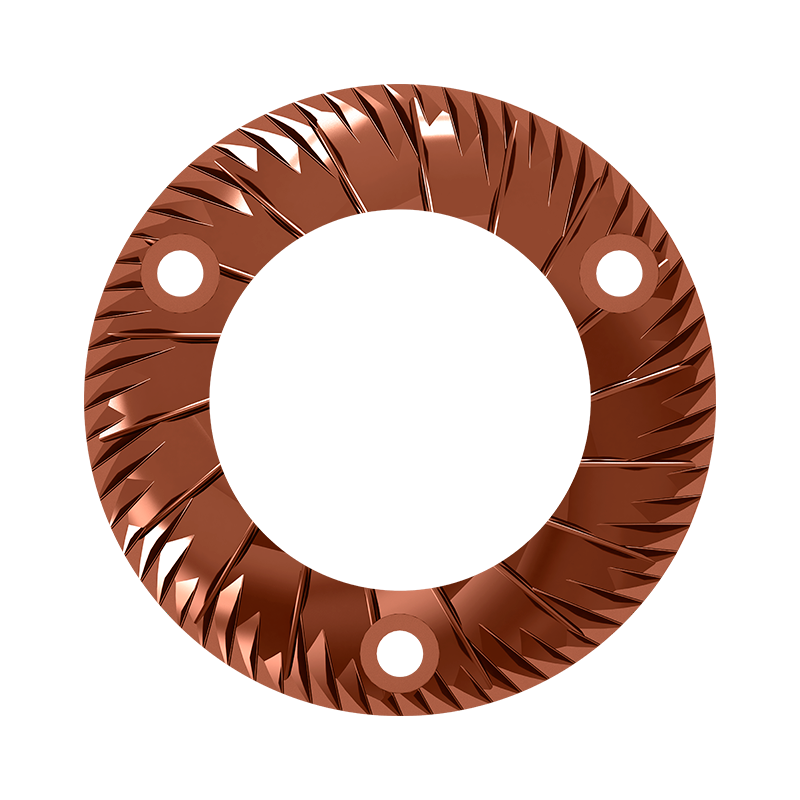
The bigger story for equipment buyers is standardisation. Qualified sponsor Ceado provides all competitors with the REV Zero grinder. Competitors may use up to two grinders, choosing between provided and personal units, provided personal ones are the same approved models with original parts only. Ceado inspects and seals every grinder before competition. The qualified espresso machine is the STORM Tempesta, and the water filtration sponsor is BWT water+more.
This means the machine, grinder and water platform are largely a level playing field. What separates competitors is dialling-in discipline, routine design and execution under a clock.
What Café Operators Should Watch For
You are not going to copy a championship routine on a Saturday brunch rush. You can borrow its workflow logic. Use this table as a viewing sheet.
| What to watch | Why it matters | Bar takeaway |
|---|---|---|
| Dose and grind adjustments before service | Shows how competitors verify the grinder rather than assume it | Write a fixed dial-in routine for opening and after bean changes |
| Movement around the station | Wasted steps are visible within a 15-minute set | Check your counter for cross-traffic and reversed motions |
| Parallel tasks (extraction while steaming or preparing cups) | Overlapping tasks is how a short window gets used fully | Train staff to start milk work during extraction |
| Sensory explanation to judges | Clear communication links the drink to the coffee | Give baristas a one-line description for each menu coffee |
| Recovery from small errors | Competitors rarely get a clean run | Teach a recovery step for common slips, such as a channelled shot |
Read the table as a guide to behaviour, not a promise of results. Competition conditions differ from café service in volume, milk range and customer flow.
How Competition Workflow Maps to a Real Café Bar
Competition sets are choreographed, but the underlying principles match what busy Indian bars deal with daily: staff turnover, humidity swings and peak-hour pressure. Our own guide on scaling café output without buying a new machine argues that workflow, grinder calibration and dose consistency often limit throughput before the machine does. Watching a competitor’s set with that lens makes the connection obvious.
Grinder choice is the most visible link. If you want to understand why the championship standardises on specific grinders, pairing the right Ceado grinder with your machine volume and menu covers how grinder fit affects a bar’s rhythm.
Competition Grinders and What They Mean for Your Café
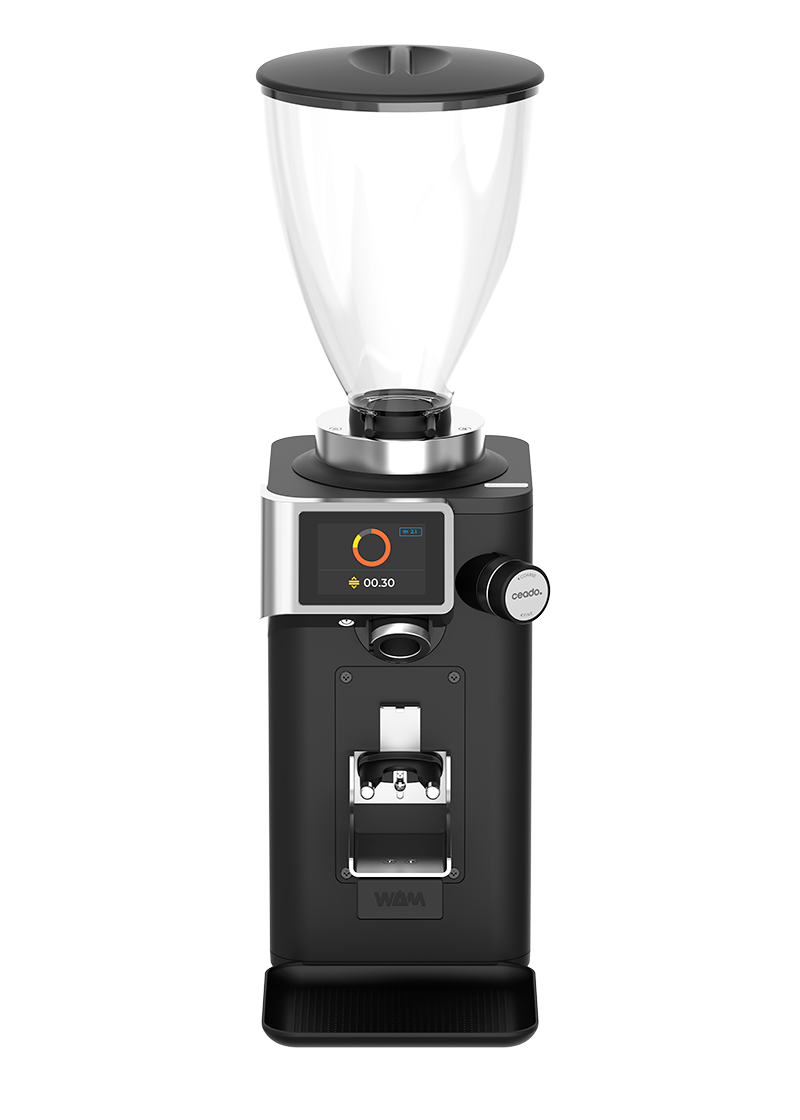
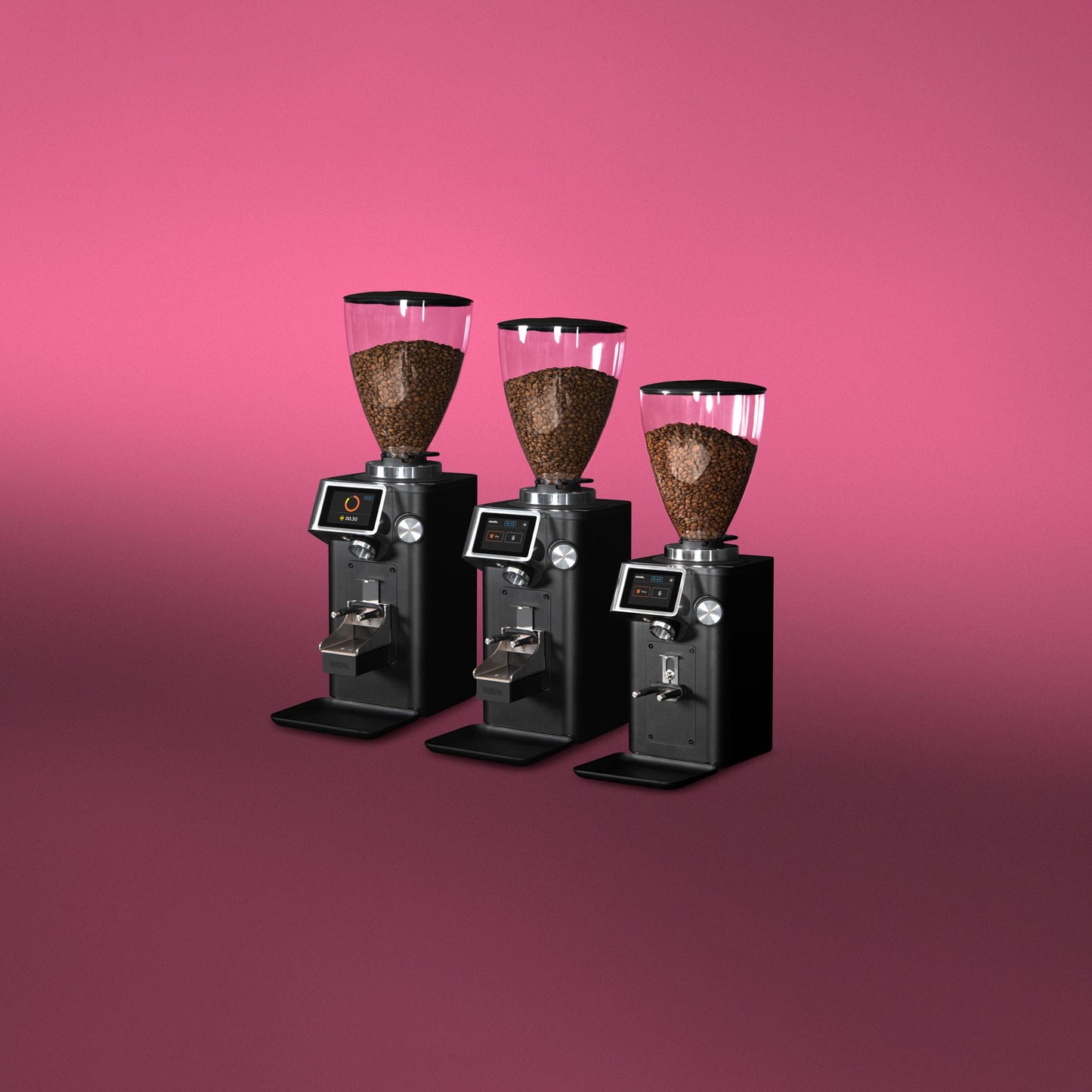
Coffee.Plus lists the Ceado REV Zero WAM, the latter currently on pre-order. The championship names the REV Zero and E37Z-Naked, and the Coffee.Plus listing is the REV Zero WAM, so check the specification against what you see on stage before treating them as identical. Both are premium units, and most cafés will not need that tier. The more useful lesson is the principle: consistent grind and repeatable dosing remove variables so technique can show. Cafés with several baristas benefit from that logic at any budget.
On the machine side, the throughput discussion above applies to two-group formats such as the Espressa Base Multiboiler, which gives two baristas independent working paths. Whether you need one depends on your peak-hour volume, not on what the stage uses.
Browse the full range in commercial grinders, the Ceado collection or commercial espresso machines.
Mistakes to Avoid When Using the Championship as a Reference
- Copying signature drinks instead of workflow. Competition menus are built for judges, not for a 40-ticket queue.
- Assuming stage equipment is the only route to quality. Standardised gear exists to make the contest fair, not to define café requirements.
- Ignoring water. BWT is a named sponsor for a reason. If your café runs on hard water, filtration deserves attention before any equipment upgrade.
- Treating one performance as a benchmark. Judge technique across several competitors before changing your routine.
- Skipping staff discussion. The value comes from reviewing clips together and agreeing on one or two changes.
A Simple Decision Framework for Your Team
- Pick two or three Round 1 performances and watch them with your head barista.
- Note one workflow habit per performance, such as station layout, task overlap or dial-in sequence.
- Time your own bar for one full drink cycle and compare.
- Choose a single change to trial for a week.
- Review shot consistency and ticket times before adopting it permanently.
FAQs
Is the World Barista Championship 2026 Free to Watch?
Yes. The official livestream is free on the WCC website and YouTube channel with no registration. In-person badges are sold separately through World of Coffee Panama.
How Long Is Each Competitor’s Performance?
15 minutes, covering four espressos, four milk-based drinks and four signature beverages.
Do Competitors Bring Their Own Grinders?
They may use up to two grinders from the two approved Ceado models, either provided or personal, subject to inspection and sealing.
Who Represents India?
Suhas Dwarakanath, according to the official competitor listing.
Take the Next Step
If the championship has you rethinking your bar, start with your own numbers: peak-hour volume, grinder consistency and station layout. Coffee Plus can help you match equipment to your café’s volume and menu. Its commercial machine page lists pan-India installation, annual maintenance plans and genuine spare parts. Reach the team through the commercial machines collection for a personal recommendation.